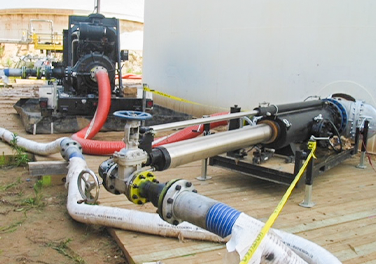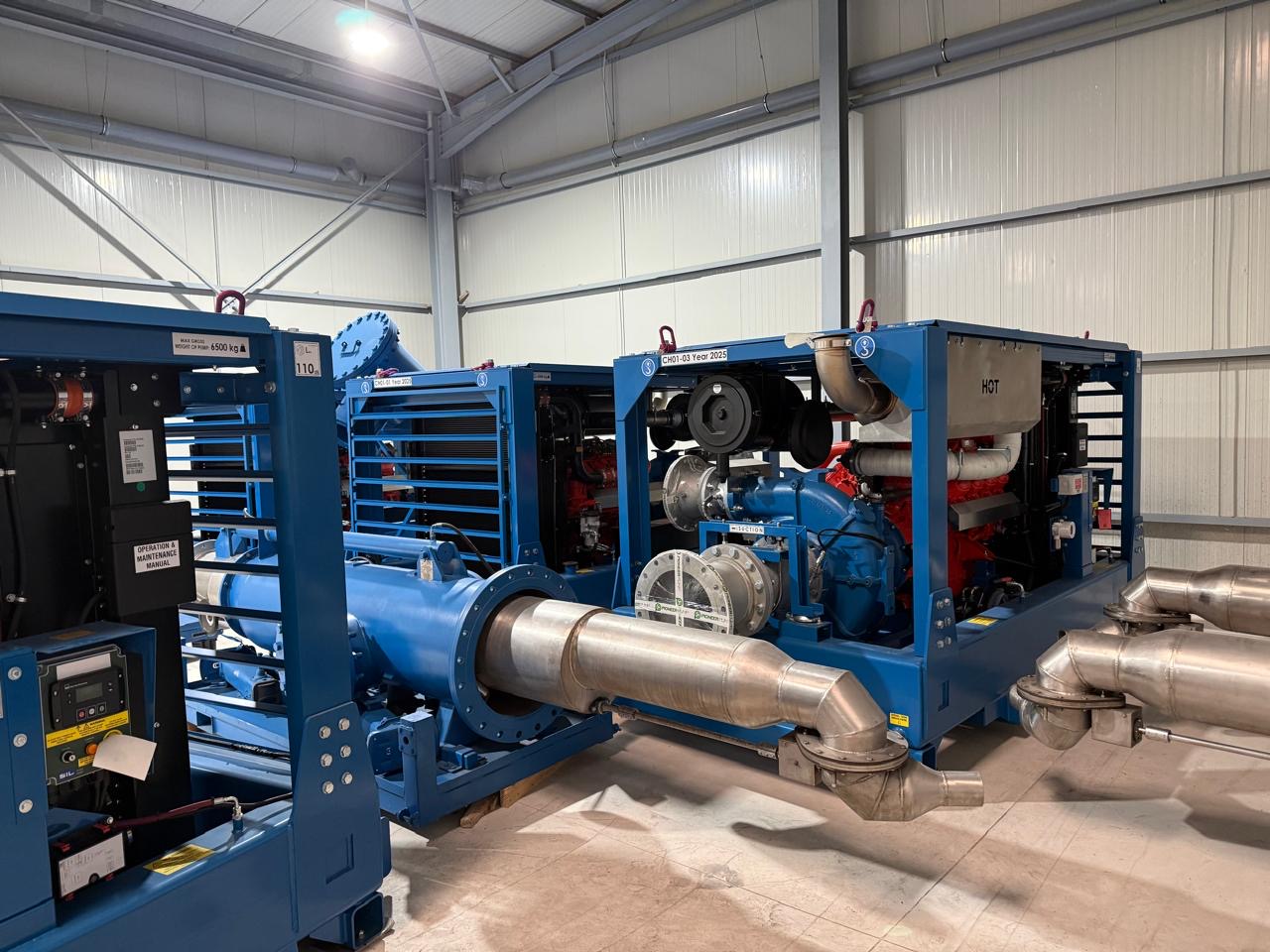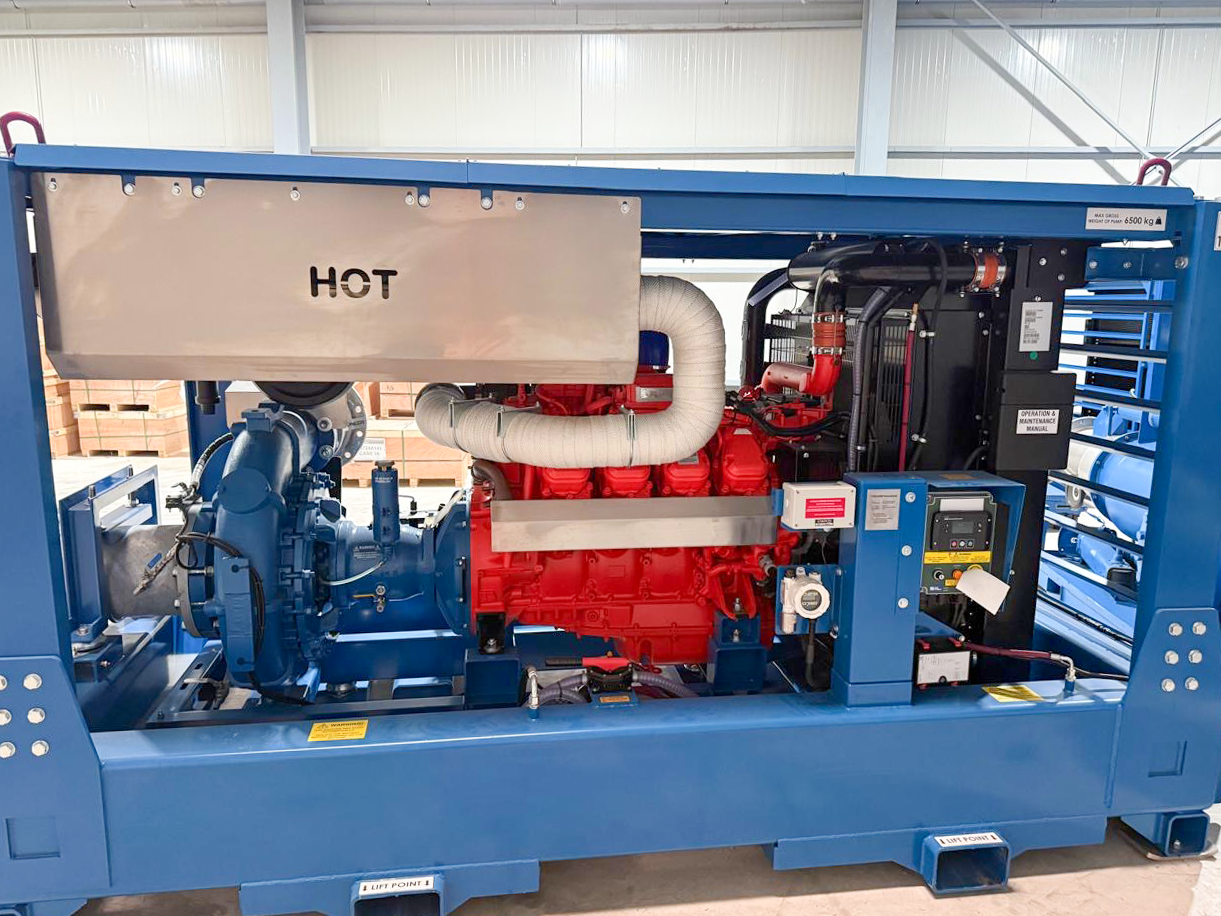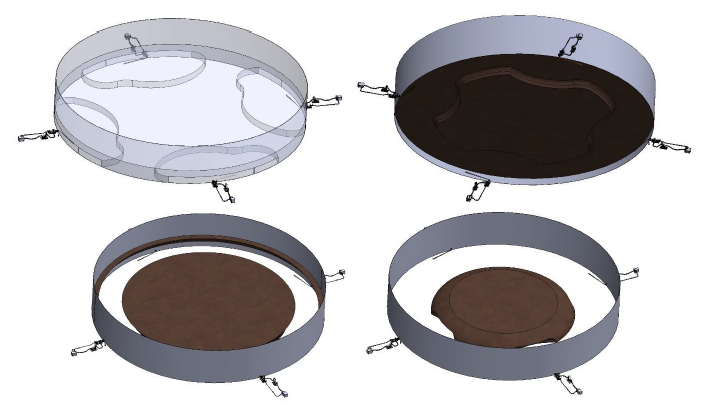
LP Energy Services Group’s Manless Entry Tank Cleaning System provides a safer, more efficient solution for de-sludging and cleaning petroleum and chemical storage tanks without requiring personnel entry into confined spaces.
Using high-velocity liquid jetting technology, the system liquefies and suspends sludge and solids within the tank, allowing materials to be circulated, recovered, or removed safely and efficiently. Because the system operates while the tank remains closed and in service, it significantly reduces safety risks, minimizes downtime, and improves overall project efficiency.
The Manless Entry Tank Cleaning System is particularly effective when liquid levels are above tank manways – conditions that often prevent conventional cleaning methods from being used.
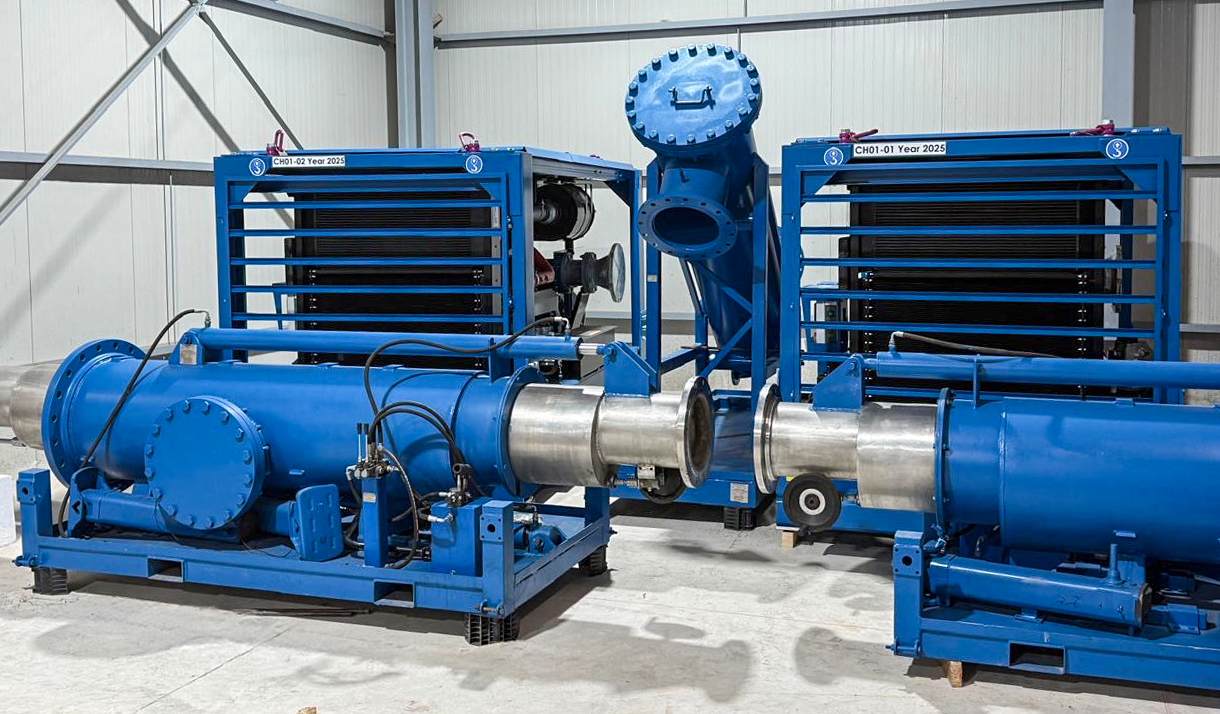
Unlike traditional roof-mounted cleaning systems, LPESG’s Manless Entry Tank Cleaning System offers several operational and safety benefits:
The Manless Entry Tank Cleaning System is available in two configurations:
Model | Flow Rate |
18-inch System | Approximately 880 m³/hr at 12 bar |
Model | Flow Rate |
24-inch System | Approximately 1,200 m³/hr at 12 bar |
• Manless Entry Tank Cleaning assembly
• Filter pot
• Pump package
• Large-diameter circulation hoses
• Hydraulic hand pump
• Directional nozzle system
How It Works
The Manless Entry Tank Cleaning System operates by recirculating crude oil or cutter stock through high-velocity directional nozzles. The resulting jet streams break apart sludge deposits and suspend solids within the liquid phase, allowing them to be:
Throughout the cleaning process, thermal imaging technology is used to identify sludge accumulation, monitor circulation effectiveness, and optimize cleaning performance.
The Manless Entry Tank Cleaning System delivers a safer, more controlled, and highly effective approach to storage tank cleaning and oil recovery. By minimizing confined-space entry, reducing operational disruption, and maximizing sludge removal efficiency, operators can improve safety performance while lowering overall cleaning costs.
Benefits Include:
Whether supporting routine maintenance, tank recovery projects, or major turnaround activities, LPESG’s Manless Entry Tank Cleaning System helps operators maximize asset performance while minimizing risk and cost.